
|
Writing is a powerful way to explore life beyond cancer. Here at A Fresh Chapter, we love featuring the voices and perspectives of our community through guest posts. If you are interested in sharing your story, contact us at info@afreshchapter.com. |
Arriving with the Weight of Cancer
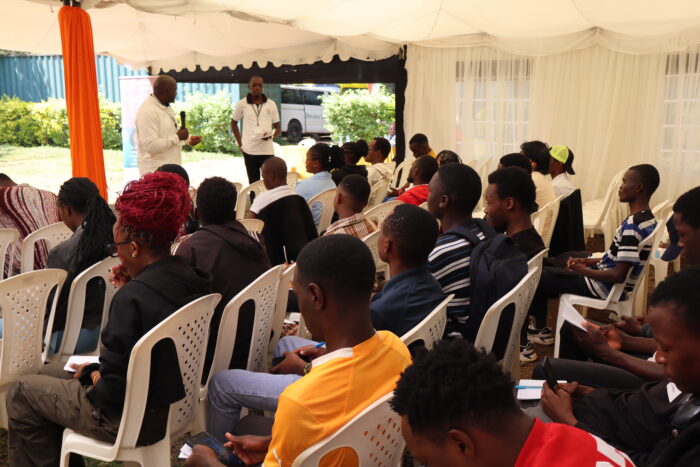
It is 10 a.m. on a chilly Saturday in Nairobi, Kenya. Young people quietly fill a small field. Many keep their heads bent down, scrolling through their phones. They are withdrawn and distant, most weighed down by one big worry: cancer.
This is a Young Adults Mizizi workshop, organized by A Fresh Chapter (AFC), offering something cancer patients and caregivers rarely find: a peer-led space to process the emotional impact of cancer.
Kelvin Kimani, a caregiver for his 72-year-old grandmother who has cancer, is among the attendees. At night, he works as an emergency medical responder and in a psychiatric ward. He is one of the first attendees to arrive.
“I came straight from the night shift,” Kelvin says. “A friend told me about this workshop, and I knew I must attend. I attended one last year and learned so much about how to help my grandma cope with her many emotions. There’s a big difference now. The skills I got last year have stayed with me this long, and I wanted to learn more. Cancer has made my grandma irritable and angry. My cousin doesn’t understand her and has stopped taking care of her. I came because I was overwhelmed. I’d kept my emotions to myself to protect her. This workshop has given me space to pour out my heart without judgement,” says the 22-year-old.
“Now I’m more confident supporting my grandma and others with cancer.”
A Place to Be Understood
Kelvin is not the only person carrying the emotional weight of cancer into the room. For Bonface Muiruri, an osteosarcoma survivor, a Mizizi workshop feels like finding family again, a place where he can be vulnerable.
“I have lost so much. I have lost people. Cancer took more than my health. Talking about it wasn’t easy. Mizizi facilitators have taught me how to tell my story without fear and how to speak about my feelings without apologizing for them. So many of us mask our pain because we think we are alone. But when you hear what others are going through, you feel less broken. Stronger.”
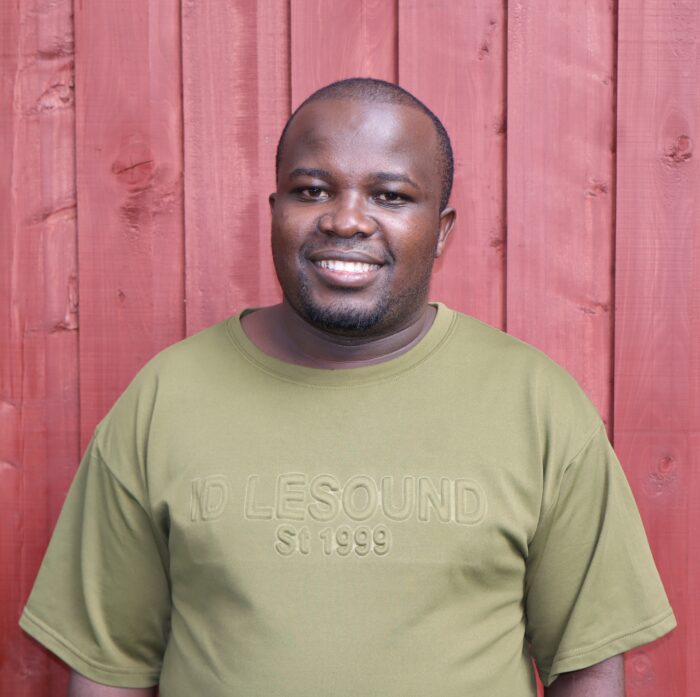
“What I love about Mizizi workshops is the honesty. When we meet, there is no rich or poor here. We are all equal. We are simply people helping each other through the loneliness and mental pain that cancer can bring.”
With only about 100 oncologists in Kenya and even fewer mental health professionals available to support those affected, Mizizi offers a space for patients, survivors, caregivers, and healthcare workers to talk about the fear, anxiety, loss, and isolation that can come with cancer.
The workshops are facilitated by cancer survivors and caregivers who understand the emotional experience firsthand. Tony Simiyu is one of the peer facilitators, drawing on his own cancer experience to help others.
“When I share my experience in Mizizi workshops, it reminds me and others how pain can be turned into purpose. Just as I learned to find strength, I now help others, create a community where we can be vulnerable together, reduce stigma, and build resilience that helps families live fuller lives,” says Tony, a Chronic Myeloid Leukemia (CML) survivor for the last 10 years.
Learning How to Show Up
The connection created at Mizizi does not stop at simply feeling understood. Participants leave with practical skills they can use to support the people around them.
For Kelvin, those skills have changed how he supports his grandmother.
“Now I have the skills to help not only my sick grandmother but also other people in my community. I live in a slum where many young people are caregivers. When they open up to me, I know how to listen better and support them. What we learn at Mizizi is something we can’t keep to ourselves. I even share on social media so I can reach and support more young people.”
What We Take With Us
What makes Mizizi different is that its impact extends beyond the workshop. Participants take what they learn into their homes and communities, supporting others who are affected by cancer.
What begins as a Saturday workshop can continue through the conversations participants have with family members, friends, caregivers, and others in their communities. The goal is not simply to leave feeling less alone, but to leave better equipped to help someone else feel less alone, too.
Diana Mwango is a thyroid cancer survivor, writer, and editor based in Nairobi, Kenya. She holds an MBA and is an award-winning writer whose stories have appeared in different global publications and journals like CancerWorld and Religion Unplugged. She also supports cancer charities with storytelling and communication strategy.
No Comments
Click Here To Comment